Introduction
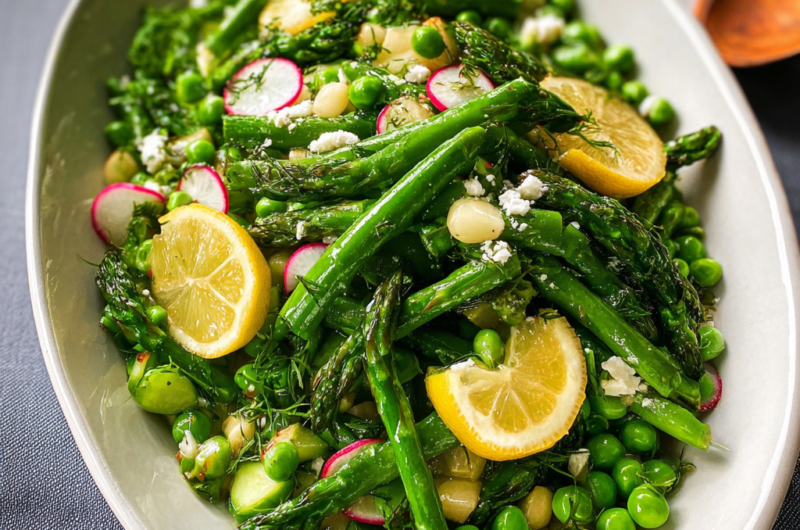
As spring unfolds, fresh produce takes center stage in our kitchens. One standout of the season is the vibrant combination of asparagus, peas, and lemon, which makes a delightful salad that celebrates the best flavors of this time of year. This dish pairs beautifully with both casual lunches and festive dinners.
The crisp texture of asparagus and the sweetness of peas are enhanced by the bright, zesty notes of lemon, creating a refreshing experience. Whether you’re hosting a gathering or simply enjoying a weeknight meal, this salad is versatile and easy to prepare, appealing to a range of palates.
Ingredients
- 1 pound asparagus, trimmed and cut into bite-sized pieces
Asparagus serves as the star ingredient, providing a crunchy texture and earthy flavor that holds up well in salads. It is also rich in vitamins A, C, E, and K, as well as fiber. - 1 cup fresh peas (or 1/2 cup frozen peas)
Fresh peas bring a sweet, slightly grassy note to the salad, balancing the mild bitterness of asparagus. They also add a pop of color and are packed with protein and vitamins. - 1/2 cup baby arugula or spinach
Green leaves like arugula or spinach add a peppery or mild flavor, respectively, and contribute essential nutrients. They also create a nice base for the salad, giving it volume and texture. - 1/4 cup finely chopped red onion
Red onion provides a sharp, tangy bite that enhances the overall flavor profile of the salad. Its vibrant color also adds visual appeal to the dish. - Zest and juice of 1 large lemon
The lemon zest and juice offer bright acidity that cuts through the richness of the vegetables. This fresh citrus element is key to balancing the flavors and elevating the dish. - 2 tablespoons olive oil
High-quality olive oil serves as the base for the dressing, adding richness and helping to distribute flavors throughout the salad. It’s also heart-healthy, packed with monounsaturated fats. - Salt and pepper to taste
These essential seasonings are crucial for enhancing the natural flavors of the ingredients. Adjusting them properly will ensure that each component shines.
Directions & Preparation
Step 1: Prepare the asparagus.
Start by trimming the woody ends off the asparagus and cutting them into bite-sized pieces. Trimming allows for a more enjoyable eating experience as the tough parts can be chewy. Cutting them uniformly ensures even cooking if you’re blanching them, enhancing their texture.
Step 2: Blanch the asparagus.
Bring a pot of salted water to a boil and add the asparagus pieces. Cooking them for about two minutes until bright green will help maintain their crispness and vibrant color. After blanching, quickly transfer the asparagus to an ice bath to stop the cooking process, ensuring that they stay tender yet crunchy.
Step 3: Prepare the peas.
If using fresh peas, you’ll want to shell them right before adding to the salad to maintain their freshness. For frozen peas, simply thaw them under warm water. Either way, this step ensures they retain their sweet flavor and soft texture, which complements the asparagus beautifully.
Step 4: Mix the dressing.
In a small bowl, whisk together the lemon zest, lemon juice, and olive oil. This step is crucial as it combines the tangy and rich notes for a well-balanced dressing. Taste the mixture and adjust the salt and pepper accordingly, allowing for customization depending on your palate.
Step 5: Combine the salad ingredients.
In a large bowl, combine the blanched asparagus, fresh peas, arugula or spinach, and chopped red onion. The colors and textures of these ingredients come together to create a visually appealing dish. Toss them gently to avoid bruising the greens.
Step 6: Drizzle the dressing over the salad.
Pour the prepared lemon dressing evenly over the salad ingredients. This step allows the flavors to meld beautifully with each bite. Toss gently to coat everything well, ensuring that the dressing enhances without overpowering the salad.
Step 7: Serve and enjoy.
Transfer the salad to a serving bowl or individual plates. For added presentation, you could garnish with extra lemon zest or a few whole peas. Serving it immediately allows you to enjoy the fresh flavors at their best, capturing the essence of spring.

Layering Flavors with Lemon
Lemon plays a pivotal role in this salad, both in terms of flavor and balance. Its acidity not only brightens the earthy tones of asparagus but also helps to highlight the sweetness of the peas. The infusion of lemon zest adds an aromatic element that encapsulates the essence of spring. This layered technique makes the salad more complex and enjoyable with every bite.
Choosing the Right Greens
Selecting the right greens can elevate this salad from good to extraordinary. Baby arugula introduces a peppery note that contrasts beautifully with the sweet peas and earthy asparagus. On the other hand, spinach offers a milder taste, allowing the other flavors to shine. Depending on your preference, experimenting with different greens can personalize the dish to your liking.
Perfect Pairing Suggestions
This Asparagus Pea Lemon Salad pairs wonderfully with a variety of main dishes. For a light lunch, consider serving it alongside grilled fish or chicken for a refreshing complement. For a heartier meal, it goes well with roasted meats or even a warm grain bowl. The bright flavors of the salad bring a sense of balance to heavier entrees, making it a perfect choice for diverse occasions.
FAQs
What if my salad tastes too bland?
If your salad lacks flavor, consider adjusting the lemon juice or adding a pinch more salt. The acidity from lemon is essential in bringing out the flavors of the vegetables, so don’t hesitate to enhance it.
Can I use frozen asparagus instead of fresh?
While fresh asparagus provides the best texture and flavor, you can use frozen asparagus. Just ensure that you thaw it well before use, as this will help maintain the dish's overall quality.
My asparagus turned mushy, what went wrong?
If your asparagus turned mushy, it’s likely overcooked. It’s crucial to monitor the blanching time closely. Aim for only two minutes of boiling, followed by an immediate transfer to ice water to stop cooking.
How does the texture change after refrigeration?
After refrigeration, the salad may soften slightly as the greens wilt. To maintain their crispness, serve fresh and dress only when ready to eat.
Can I add proteins to this salad?
Yes, incorporating proteins like grilled chicken, shrimp, or even chickpeas can make this salad more filling and exciting. Adjust the seasoning accordingly to maintain balance.
Is this salad suitable for a picnic?
Yes, this salad travels well, but it’s best to keep the dressing separate until serving. This way, the greens stay crisp and fresh.
Conclusion
This Asparagus Pea Lemon Salad embodies the freshness of spring, balancing textures and flavors for a delightful culinary experience. With vibrant colors and a bright dressing, it’s not just a side dish, but a showcase of seasonal produce.
By preparing this salad, you embrace the simplicity of fresh ingredients and the joy of cooking at home. Serve it at your next meal or enjoy it as a light snack; its versatility makes it a staple worth mastering.
Recipe Card
Refreshing Asparagus Pea Lemon Salad Recipe
Ingredients
- 1 pound asparagus trimmed and cut into bite-sized pieces
- 1 cup fresh peas or 1/2 cup frozen peas
- 1/2 cup baby arugula or spinach
- 1/4 cup finely chopped red onion
- Zest and juice of 1 large lemon
- 2 tablespoons olive oil
- Salt and pepper to taste
Instructions
- Prepare the asparagus.
- Blanch the asparagus.
- Prepare the peas.
- Mix the dressing.
- Combine the salad ingredients.
- Drizzle the dressing over the salad.
- Serve and enjoy.
Notes
Additional serving suggestions: pair with a crisp salad, garlic bread, or roasted seasonal vegetables for balance.
For make-ahead, prep components separately and assemble just before heating to preserve texture.
Taste and adjust with acid (lemon/vinegar) and salt right at the end to wake up flavors.